Home Buyers
What should I ask an HOA or condo association in South Miami Dade?
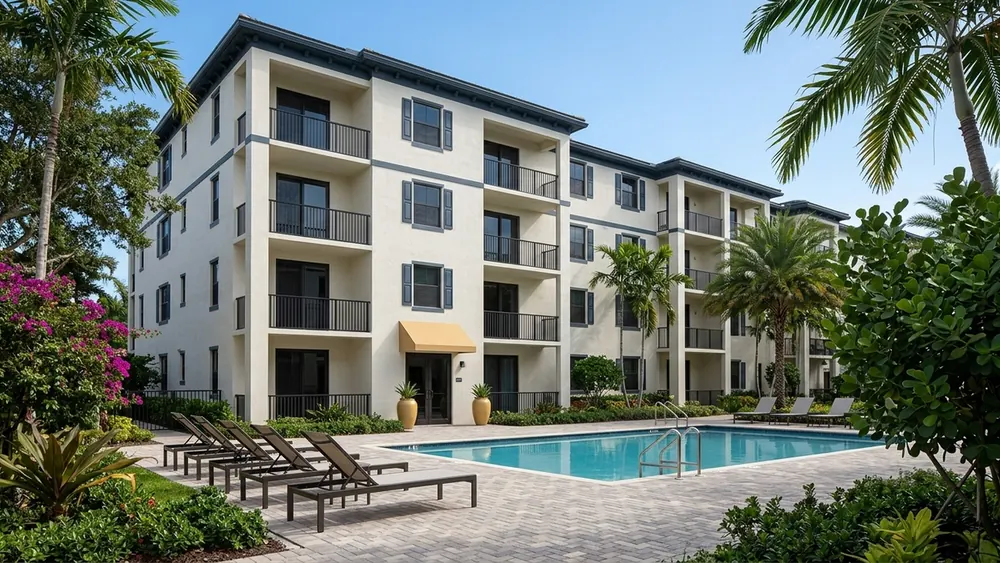
Whether you are buying a townhouse, a condo or a house in an association community, ask the HOA or condo association about its rules, regular fees, reserves, planned repairs and inspections, and get each answer in writing. Those answers shape what owning the home will be like long after the tour is over.
On this page
The short answer on association questions
Before you commit to a townhouse, a condo or a house in an association community in South Miami Dade, ask the association about five things: its rules, its regular fees, its reserves, any planned repairs and any inspections of shared buildings or grounds. Ask for each answer in writing, and keep the answers together so you can compare properties side by side. That short list covers most of what decides how ownership will feel once the excitement of the tour has faded and the monthly routine begins.
This matters because buying into an association means buying into shared rules and a shared budget as well as a home. A condo association makes decisions about the roof, the common areas and the building; an HOA may oversee shared grounds, amenities, exterior standards or roofs on a townhouse row. A home can look perfect and still sit inside a community with open questions about upkeep or money. The point of asking early is simple: you want to fall for the whole picture, not just the kitchen and the view.
This article is educational. It explains which questions to ask and why each one matters, not what any association should answer or what the rules require. Association rules, reserves and repair obligations are set by each community’s own documents and by law, so the final word belongs to the association documents and a real estate attorney. Treat this as a question list you carry into the process, not as legal or financial advice about any property. If a house has no association at all, the questions about fees and rules fall away, but the ones about condition and ongoing costs still apply.
Questions about the rules you will live with
Start with the rules, because they shape daily life in ways a showing never reveals. Every association sets its own, and two communities that look alike from the street can work very differently once you move in. Ask for the current rules as a written document rather than relying on a summary from someone at the property. Then read them against how you actually plan to live, park, store things and use the home over the next stretch of your life. A rule that seems minor on a tour can matter a great deal later.
- What rules apply to pets, parking, guests and use of the common areas
- Whether owners may rent the home, and what limits or approvals apply
- What approvals are needed before renovations, exterior changes or repairs
- How rules are changed, and how owners learn about a proposed change
Questions about money and the association budget
Next, move to money. The regular fee is the number most buyers ask about, but it is only one piece. You also want to understand what the fee covers, how the association plans for large repairs and whether owners have been asked to pay extra in the past. Ask these questions plainly and ask for the documents that answer them, because a spoken reassurance is hard to compare with anything else. Then keep every answer next to the budget it came from.
- What the regular association fee covers and what owners pay for separately
- How the association funds reserves for roofs, structure, shared grounds and other large repairs
- Whether any special assessments are planned, under discussion or recently charged
- How often the fee has changed recently and what drove those changes
- Whether any money disputes, collections issues or legal claims involve the association
Questions about repairs and inspections
Repairs and inspections deserve their own conversation. Ask whether the association has planned any major repair projects, what stage they are at and how they will be paid for. For a condo, ask whether recent building inspections were completed and whether you can read the reports; for a townhouse or HOA community, ask about roofs, shared walls, grounds and amenities. The goal is not to judge the property yourself. It is to learn what the association already knows, so you are not the last person to hear about work that is coming.
Then ask about the association’s insurance in plain terms: what its policy covers and what it leaves for each owner to insure. The answer affects your own coverage, so bring it straight to an insurance professional rather than drawing conclusions on your own. For any Florida purchase, it also makes sense to check official flood maps for the specific property and ask your insurance agent what that means for you.
If an answer is unclear, ask for the document behind it. Meeting minutes, budgets and inspection reports usually say more than a quick conversation can. A licensed home inspector can look at the home itself, and a real estate attorney can help you understand what the association documents mean. Your job is to collect the questions and the paper; their job is to interpret the parts that go beyond real estate. Keep those roles separate in your notes.
How to ask so the answers are useful
The way you ask matters almost as much as what you ask. Write your questions down before you contact the association, ask them the same way for every property, and request written answers or the documents that support them. That makes it possible to compare two homes honestly, even when one is a townhouse and the other a condo. It also gives your real estate attorney and insurance professional something concrete to review instead of a memory of a phone call or a hallway chat.
Keep a simple record for each property: the question, the answer, the date and where the answer came from. If an association cannot answer a question, note that too, because a gap is information. You are not trying to catch anyone out. You are building a fair picture so that when you compare a home in Cutler Bay with one elsewhere in the area, you are comparing the same things in the same way. Over time, that record becomes your own comparison sheet.
I would rather you ask one more question before an offer than find out about a planned repair after closing. Write it down and get the answer in writing.
Assumptions that surprise home buyers
One common assumption is that a fresh looking lobby or entrance means a community with no repair plans. Appearance tells you about recent cosmetic work, not about roofs, structure or reserves. Another assumption is that the regular fee will stay the same. Fees are set by the association’s budget, and the budget responds to what the community needs. Ask how decisions are made instead of assuming the current number tells the whole story.
A third assumption is that the rules you heard about during a showing are the rules that apply. Whoever shows you a home may describe how things work in good faith and still miss a detail that matters to you, such as rental limits or approvals for exterior changes. The written rules and the association documents are the source. When the answer matters to your plans, read it yourself and ask a real estate attorney if anything is unclear.
Your next step before a first conversation
Before you talk with anyone about a specific property, write down how you plan to use the home: whether you will live in it, rent it at some point, keep pets, renovate or need particular parking. Those plans tell you which association questions matter most. Then turn the lists above into your own short question sheet, and leave space beside each question for the answer and the document it came from. Short notes are fine; consistency matters more than detail.
It also helps to look at the current local market report so you understand how houses, townhouses and condos have been moving in the area before you start comparing properties. Damien Ramirez publishes Cutler Bay market snapshots and can walk you through what kinds of figures they report and what they mean for a home search across South Miami Dade, without turning them into a forecast of where any property is headed.
If you would like help shaping your question list, bring it to a conversation with Damien. Together you can sort out which questions belong with the association, which belong with a real estate attorney or an insurance professional, and how the local numbers fit your plans. There is no pressure to decide anything. The aim is that you walk into any showing knowing what to ask and why it matters.
This article is general information about real estate in Cutler Bay and South Miami Dade. It is not legal, tax, lending, insurance or inspection advice and does not predict prices, rents or returns. Confirm flood zones with official flood maps, insurance with an insurance professional, HOA, condo association and rental rules with official and legal sources, taxes with a tax professional, financing with a lender, and property condition with a licensed home inspector. Damien Ramirez, NV Realty Services.

Written by