Home Buyers
What ongoing costs should I ask about for a Cutler Bay home, townhouse or condo?
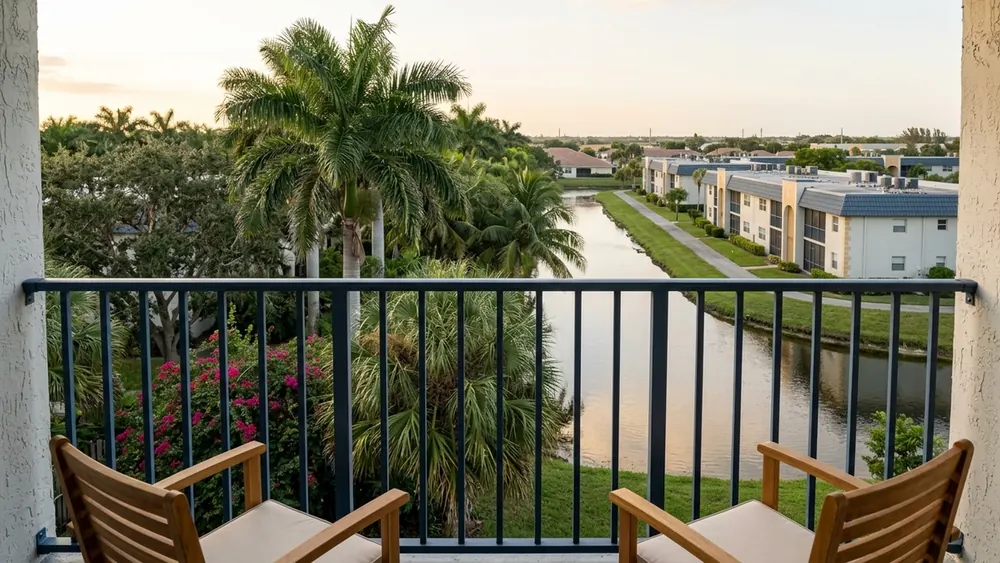
For a Cutler Bay house, townhouse or condo, ask about insurance, property taxes, utilities and upkeep, and where there is an HOA or condo association, the regular fee and what it covers, possible special assessments and reserves, so you understand the full cost of ownership.
On this page
- The short answer on ongoing costs
- Association fees, where they apply
- Special assessments and the reserves question
- Insurance, taxes and utilities to confirm
- Upkeep costs that are easy to miss
- A cost checklist you can bring along
- Assumptions that lead to cost surprises
- What to gather before a first conversation
The short answer on ongoing costs
When you look at a home in Cutler Bay, ask about every cost that continues after closing. For a house, a townhouse or a condo, that means your own insurance, property taxes, utilities and upkeep. Where there is an HOA or condo association, add the regular fee and what it covers, any special assessments and how reserves are funded. The purchase price is one number. These ongoing costs decide what owning the home actually feels like from one month to the next.
This matters because many buyers compare homes by price alone and only learn about the ongoing costs later. Two homes at similar prices can carry very different monthly obligations once the fees, insurance and taxes are added up. A house may have no association fee but carry all of its own upkeep, while a condo shares some upkeep through the fee. Asking early lets you compare houses, townhouses and condos honestly, which is one of the most common decisions a buyer in the area weighs.
This article is educational. It lists the questions to ask and who can answer them, not what any cost will be or how it might change. Fees and assessments come from the association, insurance from an insurance professional, taxes from a tax professional and official county sources, and rules about reserves from the association documents and a real estate attorney. Use this as a checklist for gathering answers, not as advice about any property.
Association fees, where they apply
If the home is a townhouse, a condo or a house in an association community, the regular HOA or condo fee is the cost most buyers notice first, and it deserves careful questions. Ask exactly what it covers. Some fees include certain utilities, insurance on shared structures, grounds upkeep or other services, while others cover less. Knowing what is inside the fee tells you what you will pay separately. Ask for the current budget too, because it shows how the fee is spent rather than just how much it is.
Then ask how the fee has changed recently and what the board expects to discuss about it. You are not asking anyone to predict the future. You are asking what is already known: planned projects, insurance changes or budget discussions recorded in the meeting minutes. A fee that looks comfortable today can tell you very little on its own, so pair it with the budget and the minutes before you rely on it.
I always tell buyers to add up the whole monthly picture before falling for a home. The price is one line. Ask about every other one too.
Special assessments and the reserves question
A special assessment is a charge an association asks owners to pay on top of the regular fee, usually for a large repair or an unexpected cost. Ask whether any assessment is planned, under discussion or recently charged, and how owners were told about it. Read the meeting minutes for the same topic. If an assessment is planned, ask how it will be divided among owners and when payments would be due.
Reserves are the money an association sets aside for large future repairs. Ask how reserves are funded, what they are meant to cover and whether a plan or study guides them. The reserve picture connects directly to assessments: a building planning ahead may handle large repairs differently from one that is not. Do not try to judge the numbers alone. Bring what you learn to your real estate attorney for a closer read.
Also ask about any inspections and the repairs they recommended, whether that is a building inspection for a condo or roof and exterior work for a townhouse row. Inspection findings often explain why a board is discussing a project, raising the fee or considering an assessment. The goal is to hear about planned work before you commit rather than after. Ask for the reports in writing and keep them with the budget and minutes.
Insurance, taxes and utilities to confirm
Every home needs its own insurance. Where there is an association, its policy covers some shared parts and your policy covers what it leaves to you; a house without an association is usually insured entirely by the owner. Ask for any association coverage summary and bring it to an insurance professional, who can tell you what you would need. For any purchase, check official flood maps for the specific property and ask your insurance agent what that means for your coverage and its cost.
Property taxes are a separate ongoing cost, and the amount the current owner pays may not be what a new owner pays. Ask a tax professional how taxes may apply to your purchase, and look to Miami-Dade County for official information. Utilities are the last piece. Ask which utilities any fee includes and which you would pay directly, so you can build a realistic picture of what each month will look like.
Upkeep costs that are easy to miss
Someone has to maintain every part of a home, and the question is who. In a house, nearly all of it falls to you; in a townhouse or condo, the documents usually explain which parts the association maintains and which are yours. Read that section carefully and ask a licensed home inspector about the condition of the items you would own. These are the upkeep questions that tend to get overlooked during a tour:
- Which systems you maintain, such as cooling, water heating, the roof and appliances
- Who pays for repairs to windows, doors, balconies, exteriors and shared walls
- What approvals and costs apply when you renovate or replace finishes
- What the inspection says about the age and condition of items you would own
Once you know which items are yours, a licensed home inspector can help you understand their condition, and you can plan for upkeep with your eyes open. Keep the answers with your other notes. When you compare a house, a townhouse and a condo, these upkeep costs are part of a fair comparison, because a house brings all of its upkeep to the owner while a townhouse or condo shares some of it through the fee.
A cost checklist you can bring along
It helps to collect every ongoing cost in one place and note who can confirm each one. The table below is a simple checklist for a home search. It names the cost, the question to ask and the right source for the answer; the first three rows apply only where there is an HOA or condo association. It does not tell you what any cost will be. It tells you where to look so you are not guessing when you compare homes.
| Cost | Question to ask | Who answers it |
|---|---|---|
| Regular HOA or condo fee | What does it cover, and what is paid separately? | The association and its budget |
| Special assessments | Are any planned, discussed or recently charged? | The association and its meeting minutes |
| Reserves | How are large future repairs being funded? | The association and a real estate attorney |
| Home insurance and flood | What coverage would I need for this home? | An insurance professional and official flood maps |
| Property taxes | How may taxes apply after my purchase? | A tax professional and Miami-Dade County |
Notice that no single person answers every row. Damien can help you organize the checklist, read the local market snapshot and compare homes on the real estate side. The association, a real estate attorney, an insurance professional and a tax professional each answer their part. Keeping those roles clear is what turns a pile of documents into a decision you understand.
Assumptions that lead to cost surprises
One common assumption is that an association fee covers everything. It rarely covers your own insurance, your property taxes or the upkeep of items you own. Another is that a house with no fee is automatically cheaper to own; its upkeep and insurance fall entirely to you. A third is that the costs the current owner pays will be the costs you pay. Insurance and taxes can depend on the new owner’s situation, so confirm each one with the right professional.
It is also easy to assume that a well kept lobby, entrance or exterior means no large costs are coming. Appearance says little about reserves, inspections or planned repairs. Read the disclosures, any budget and minutes and any inspection reports before you decide. None of this is meant to steer you toward one type of home. It is meant to make sure the decision rests on the whole cost picture rather than on the price and a pleasant tour.
What to gather before a first conversation
Before you talk with anyone about a specific home, write down the costs you already know and the ones you still need to confirm. Note how you plan to use the home, because living in it, renting it later or renovating it can change which costs matter most. Keep any association documents, your insurance questions and your tax questions in one folder so each professional sees the same picture.
If you would like help organizing it, bring your list to a conversation with Damien Ramirez. You can walk through the costs you have gathered, the questions still open and what the latest Cutler Bay market snapshot says about houses, townhouses and condos in the wider South Miami Dade search. There is no pressure to decide. The aim is that you understand the whole cost of ownership before you commit.
This article is general information about real estate in Cutler Bay and South Miami Dade. It is not legal, tax, lending, insurance or inspection advice and does not predict prices, rents or returns. Confirm flood zones with official flood maps, insurance with an insurance professional, HOA, condo association and rental rules with official and legal sources, taxes with a tax professional, financing with a lender, and property condition with a licensed home inspector. Damien Ramirez, NV Realty Services.

Written by